Clearing Moss From Federal Way Roofs the Right Way
Exposed Plateau Lots and Constant Moisture
Out on the open plateau that Federal Way occupies, roofs catch the marine air pushing in off Puget Sound along with the steady rainfall that defines this stretch of King County. That combination of exposure and constant moisture keeps shingles damp for much of the year, and damp shingles are where moss, algae, and lichen settle in and spread. Even homes on open lots with decent sun see growth creep across north-facing slopes and shaded eaves, while properties tucked against the area's many greenbelts stay wet long enough for moss to root deep into the surface. Once it takes hold, that growth pries at shingle edges and holds water against the deck, setting up the rot and early failure that cut a roof's life short. We clear it with low-pressure soft washing that removes the growth without stripping the protective granules off composition shingles, the dominant roof type across Federal Way's subdivisions. Particular care goes to the slow-drying, shaded sections where moss returns first and fastest. After the surface is clear, a root-deep treatment neutralizes what the rinse leaves behind so the roof stays clean through the long wet season. The aim is a roof that resists the plateau's moisture rather than one that simply looks clean until the next stretch of rain settles back in over the exposed Federal Way rooftops.
Low-Pressure Cleaning for Every Roof Type
Most roofs across Federal Way are composition shingle, sitting on subdivisions built out across the plateau in waves over the past several decades, and they share a common enemy in the moisture this exposed setting traps. A cleaning approach that ignores how shingles age in this climate tends to trade a short-term clean look for a long-term cost. High-pressure washing, still a common sight in the area, blasts the granules that protect shingles right off the surface, leaving a roof that ages years faster than it should under the plateau's heavy rainfall. We work the opposite way, using gentle rinsing and moss-dissolving chemistry that cleans thoroughly while leaving the granule layer fully intact. Homes backing onto greenbelt or sitting under heavy tree cover get the closest attention, since those roofs face the steepest and most persistent moss pressure on the plateau. By removing growth at the root and treating the surface to slow its return, we help Federal Way owners step out of the cycle of repeated cleanings and premature repairs. A roof maintained this way keeps its warranty protections in place, sheds the area's frequent rain the way it was designed to, and gains the usable years that an untreated, moss-covered roof gives away to the damp plateau climate season after season.
Root-Level Moss and Algae Removal
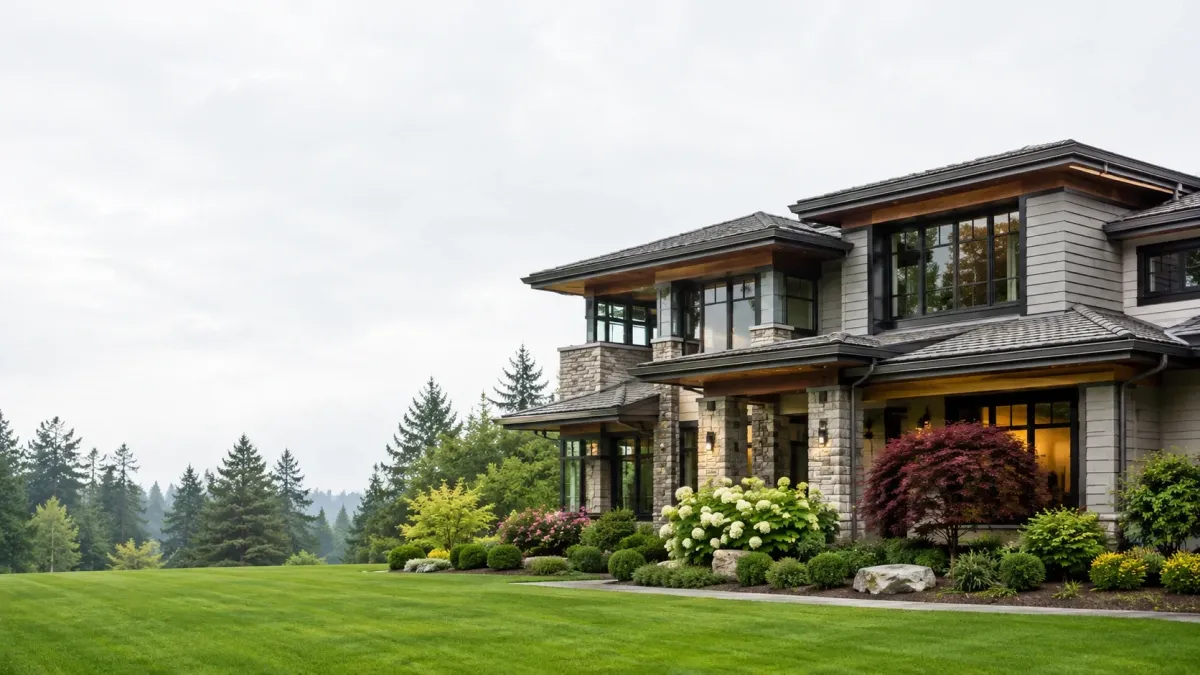
Heavy moss poses the steepest threat to roofs across Federal Way's exposed plateau, and removing it the right way protects every layer beneath the shingles. We lift and soft wash the growth rather than blasting it off, because the high pressure many crews still use strips the granules that shield composition shingles, the roof type covering most homes here. Our crews cover the entire roof and give the shaded, north-facing slopes the extra time they require, since those are the sections where moss roots deepest under the plateau's steady moisture. Thick, established mats on neglected roofs come off by hand first, and then the surface is soft washed to clear what is left behind. With the growth gone, a targeted treatment neutralizes the spores hiding in the shingle seams so regrowth slows sharply through the months of heaviest rain. Roofs along the area's greenbelts and under dense tree cover hold moisture longest and grow back fastest, which is exactly why root-level removal outperforms a surface rinse here. What is left is a roof cleared of the mat that was trapping water against the deck and lifting its edges, returned to shedding rain properly. For a Federal Way home, that is the line between a roof that serves its full lifespan and one cut short by moss allowed to spread unchecked across an exposed, moisture-heavy plateau.
Granule-Safe Soft Wash Cleaning
On the open, rain-exposed lots of Federal Way, the method used to clean a roof decides whether it lasts or wears out early, and soft washing is the method built for these conditions. Low pressure combined with specialized solutions lifts moss, algae, and embedded grime without the force that tears granules from composition shingles. Because nearly every roof across the plateau is shingle, protecting that granule layer is not optional; once it is blasted away by pressure washing, the roof ages fast under the area's frequent rain. We assess each roof before starting and match pressure and solution to the surface, working steep and multi-story roofs with a safety setup that avoids walking fragile sections. The chemistry handles what brute force cannot, dissolving growth at and below the surface so the roof comes clean and stays sound. For owners who have watched a pressure-washed roof nearby shed granules and gray out early, soft washing is the approach that cleans thoroughly while keeping the protective layer intact. In a setting as wet and exposed as the Federal Way plateau, that protection is what separates a roof cleaned to last from one cleaned to fail, and it is the reason we never reach for high pressure on the shingle roofs that define this community.

Preventive Treatment for Exposed Roofs
Treatment is what stops moss from returning to a roof on Federal Way's moisture-heavy plateau, where a cleared roof left untreated simply grows back with the next stretch of rain. Removing visible growth handles only the surface; the spores buried in shingle seams germinate again unless a follow-up application stops them. We apply targeted solutions that break moss and algae down at the root and leave a surface that resists regrowth through the wettest months. Timed around the October-to-March season when growth runs hardest across the plateau, a yearly treatment keeps a roof ahead of the moss instead of chasing it. Homes backed against greenbelt or shaded by heavy tree cover gain the most, since those roofs face nearly constant moisture and the steepest regrowth pressure in the area. Throughout the work we protect the landscaping around the home, pre-wetting plants, managing runoff, and rinsing the surrounding areas so the yard stays healthy while the roof is treated. The result is a roof that holds its clean condition far longer, sheds the plateau's frequent rain properly, and avoids the rot that sets in when moss is allowed back. For a Federal Way owner, preventive treatment turns a single cleaning into protection that carries the roof through the heaviest, wettest part of the King County year.
Kent's Trusted Roof Cleaning and Moss Removal Team
Proudly serving Kent, Auburn, Federal Way, Renton, Covington and Maple Valley for 14+ years.
Comprehensive Roof Cleaning Services in Kent
Tailored to Your Needs
From moss removal to gutter cleaning, we offer the full range of roof care Kent homes need to stay protected through the wet season. Explore our services below.
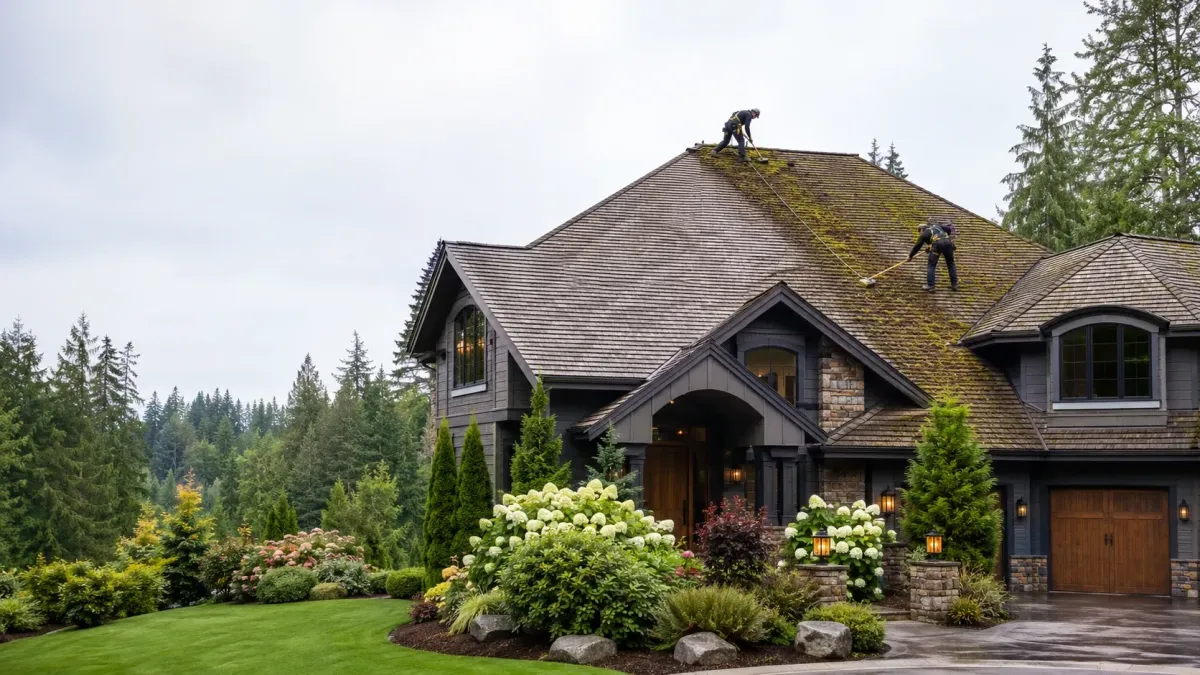
Safe, thorough moss removal that protects your Kent roof.
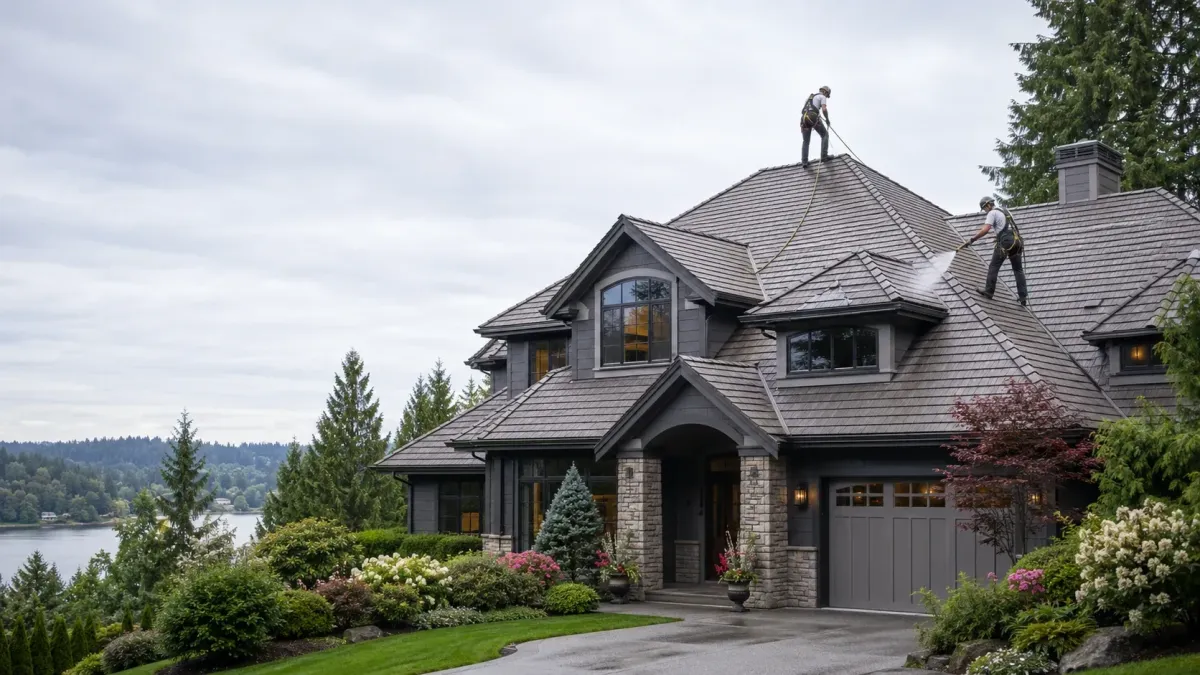
Root-deep moss treatment that keeps Kent roofs clear.
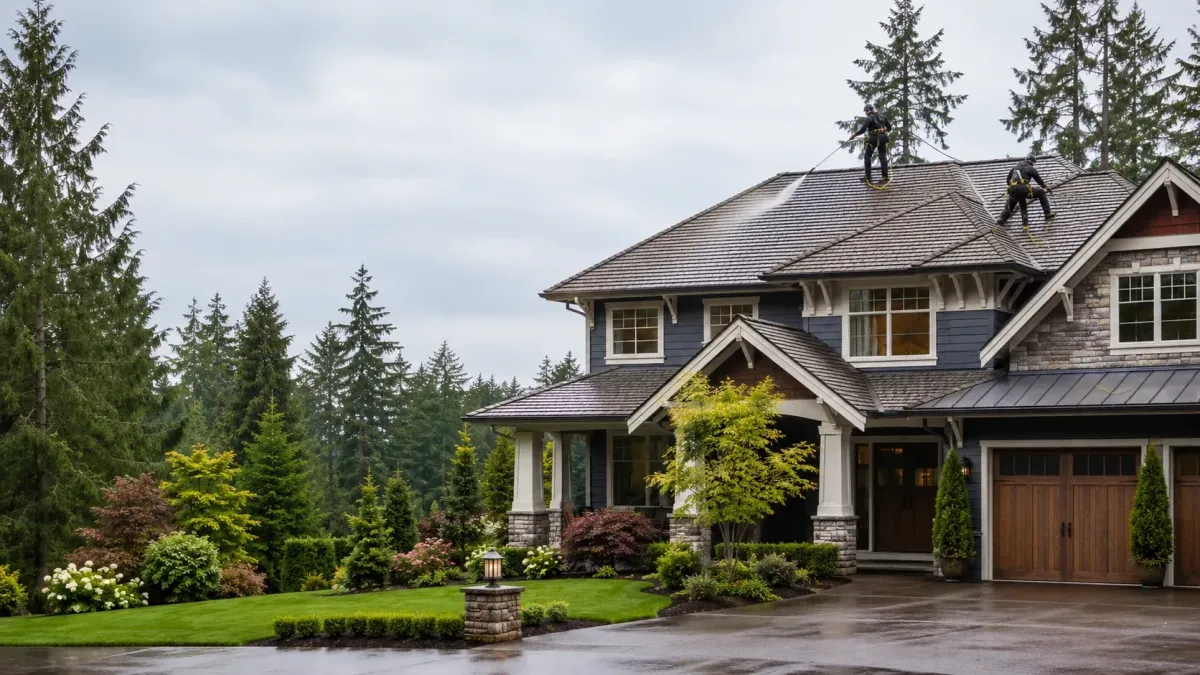
Low-pressure soft washing that cleans and protects.
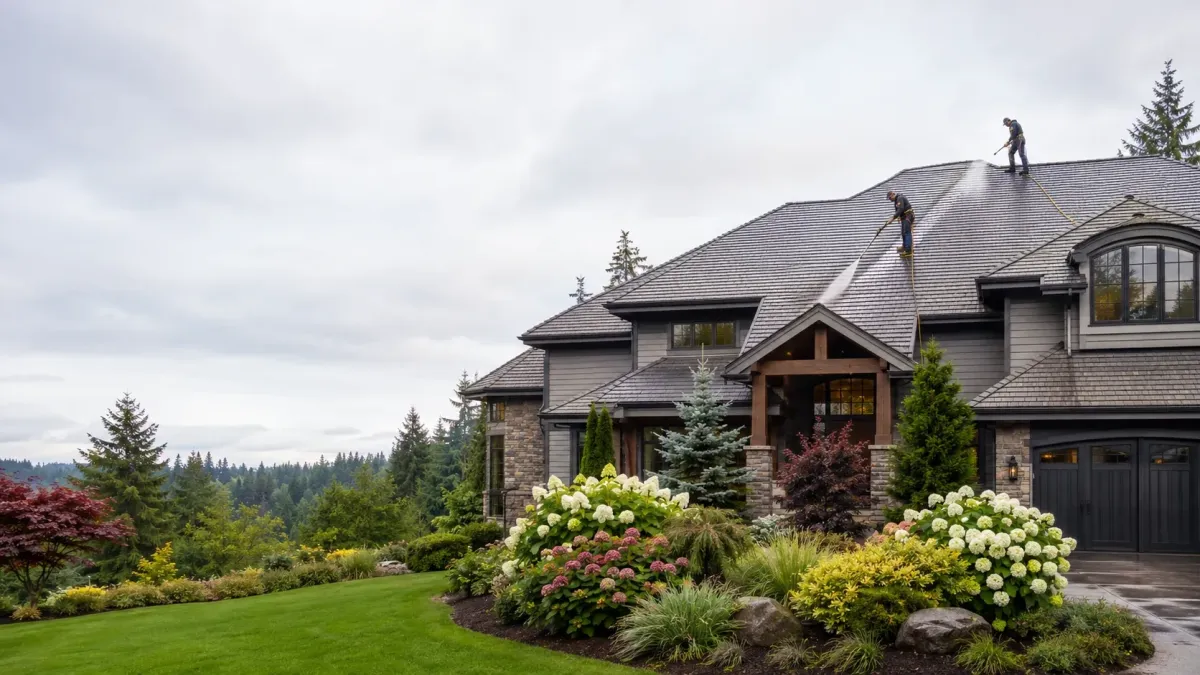
Dissolve black streaks and algae at the source.
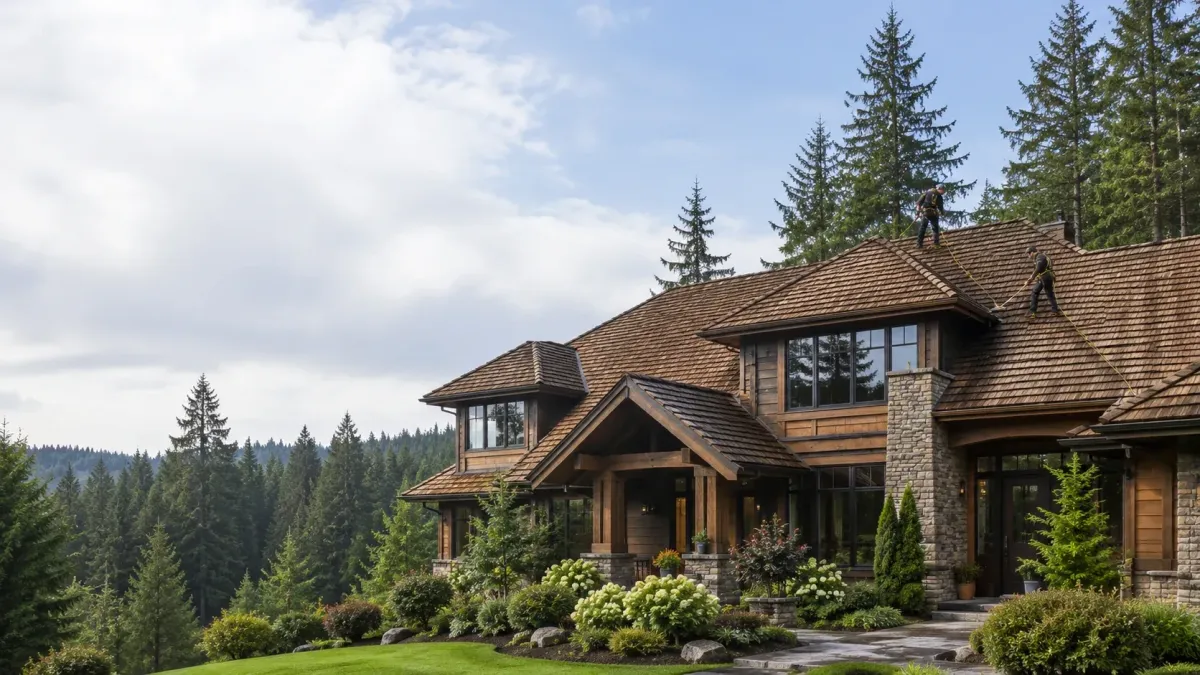
Wood-safe cleaning that protects cedar shake roofs.
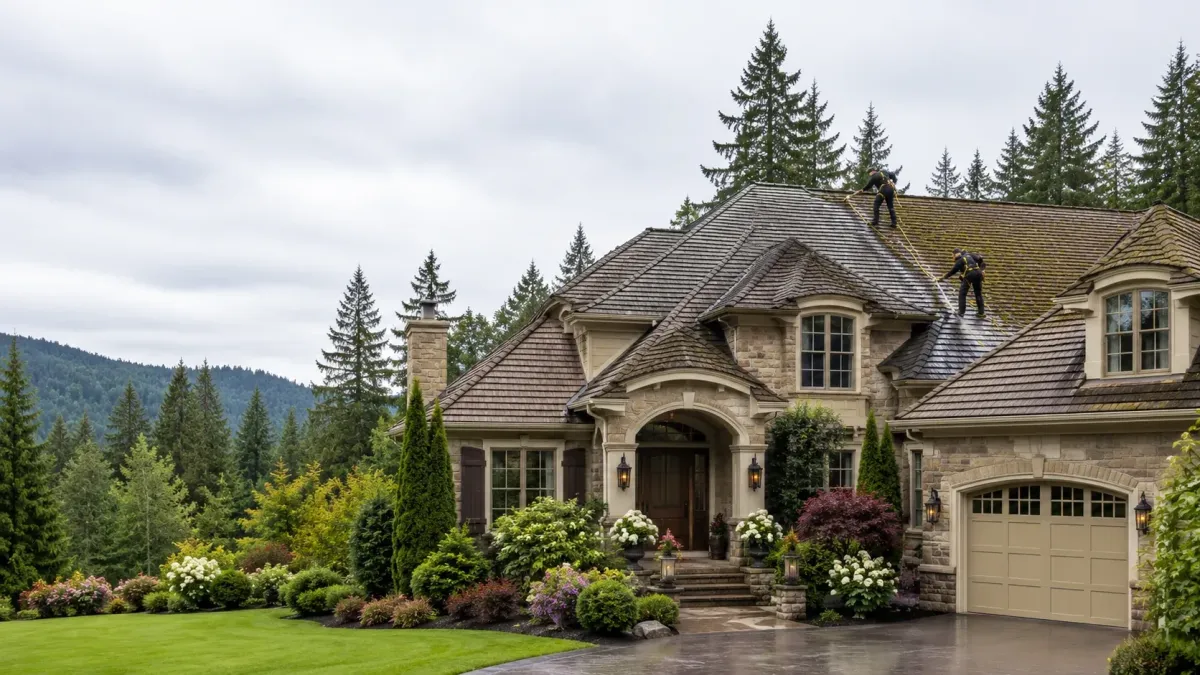
Granule-safe cleaning for composition shingle roofs.
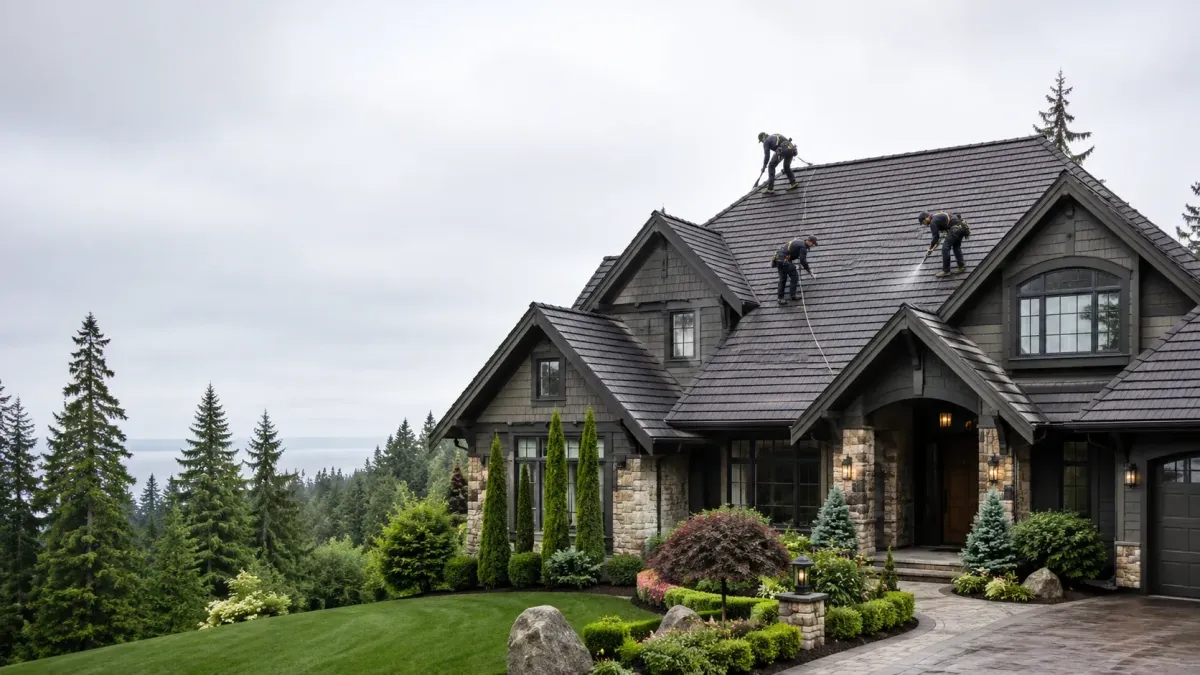
Ongoing care that keeps Kent roofs ahead of moss.
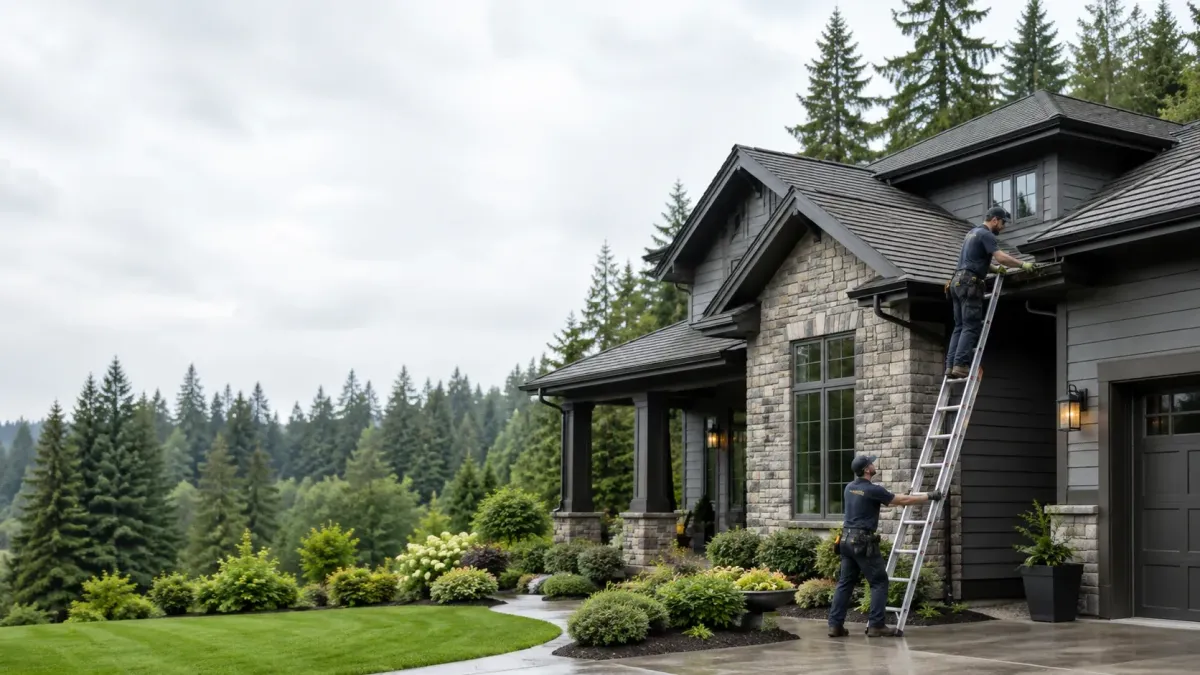
Clear gutters that protect your roof and foundation.
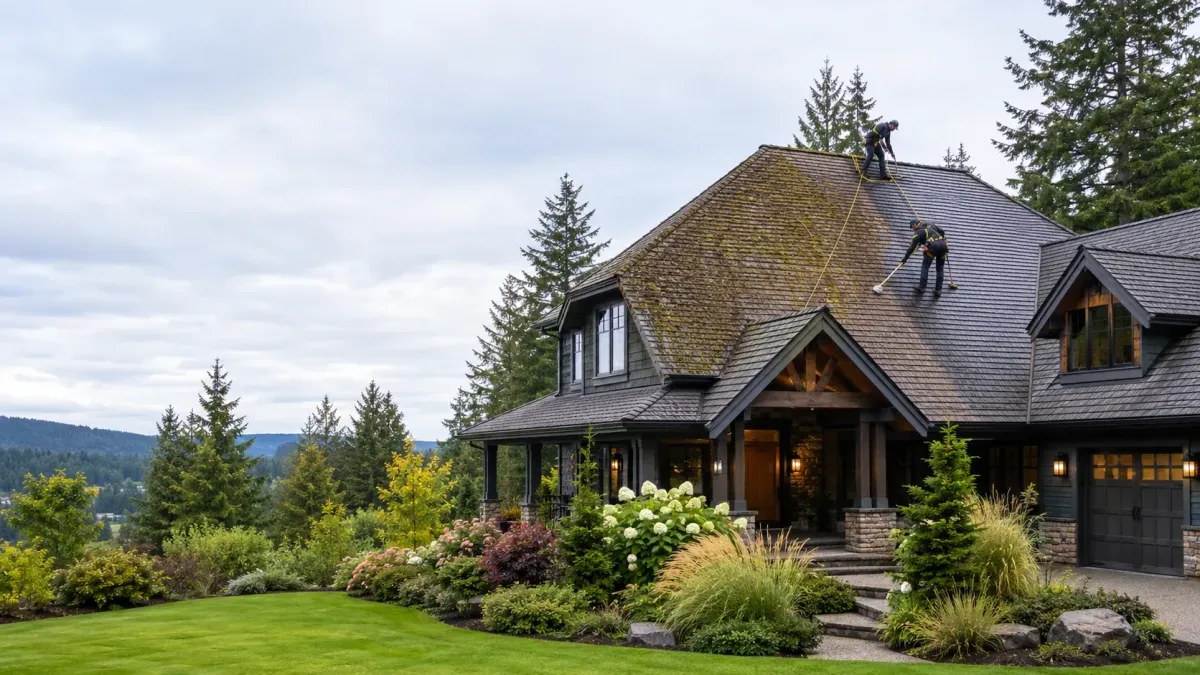
Careful removal of stubborn lichen growth.

Panel-safe cleaning that restores solar output.
Frequently Asked Questions
Roof Cleaning can be complex, and we’re here to provide answers to common questions. Here are some frequently asked questions from our clients.
Frequently Asked Questions about Roof Cleaning Kent, WA
How often should I clean my roof in Kent, WA?
With our wet Western Washington climate, most Kent roofs benefit from a professional cleaning every 18 to 24 months. North-facing slopes and roofs shaded by Douglas firs hold moisture longer, so they often need attention sooner to stop moss from rooting under shingles.
What kills moss on a roof without damaging shingles?
We use a low-pressure soft wash with treatments that break down moss and algae at the root rather than blasting them off. High pressure strips granules from composition shingles and splits cedar shakes, so for Kent roofs we rely on chemistry and gentle rinsing, not force.
Why does moss grow so heavily on Kent roofs?
Kent sits in a high-rainfall pocket of King County with long damp seasons from October through March. Cool temperatures, tree cover, and constant moisture create ideal conditions for moss, algae, and lichen, especially on shaded and north-facing sections of a roof.
Will roof cleaning extend the life of my roof?
Yes. Moss traps water against the roof deck and lifts shingle edges, which leads to rot and early failure. Removing growth and applying preventive treatment protects the underlayment, helps preserve manufacturer warranties, and adds years of usable life to the roof.
Do you clean cedar shake and metal roofs too?
We do. Cedar shake, composition shingle, metal, and tile all behave differently, so each gets a tailored approach. Cedar needs careful low-pressure work to protect the wood, while metal and tile in the Kent area respond well to targeted soft wash methods.
Is roof moss treatment safe for my landscaping?
We take care to protect the plants and gardens around your Kent home. We pre-wet vegetation, control runoff, and rinse surrounding areas after treatment so your landscaping stays healthy while the moss and algae on the roof are dealt with properly.
Still Have Questions About Roof Cleaning Kent, WA?
Speak With a Trusted Roof Cleaning Expert Today.
What Our Satisfied Clients Have to Say About
We pride ourselves on delivering great results and experiences for each client. Hear directly from home and business owners who’ve trusted us with their Roof Cleaning needs.

They cleared years of moss off our north-facing roof in Kent and treated it so it has stayed clean through two wet winters. Careful, professional work from start to finish.
Marcus Holloway
Our cedar shakes looked rough until this crew soft washed them. No damage, no high pressure, just a clean roof and honest advice about keeping it that way.
Priya Raman
Booked the moss treatment and gutter cleaning together. They protected our landscaping the whole time and the black streaks on our roof are completely gone.
Devon Castellano
The Trusted Roof Cleaning Expert Near You
Ready to hear more about expert services at ?
Contact us today to receive a detailed, no-obligation quote.